Organisational Dysfunction of the Day
Working alone together
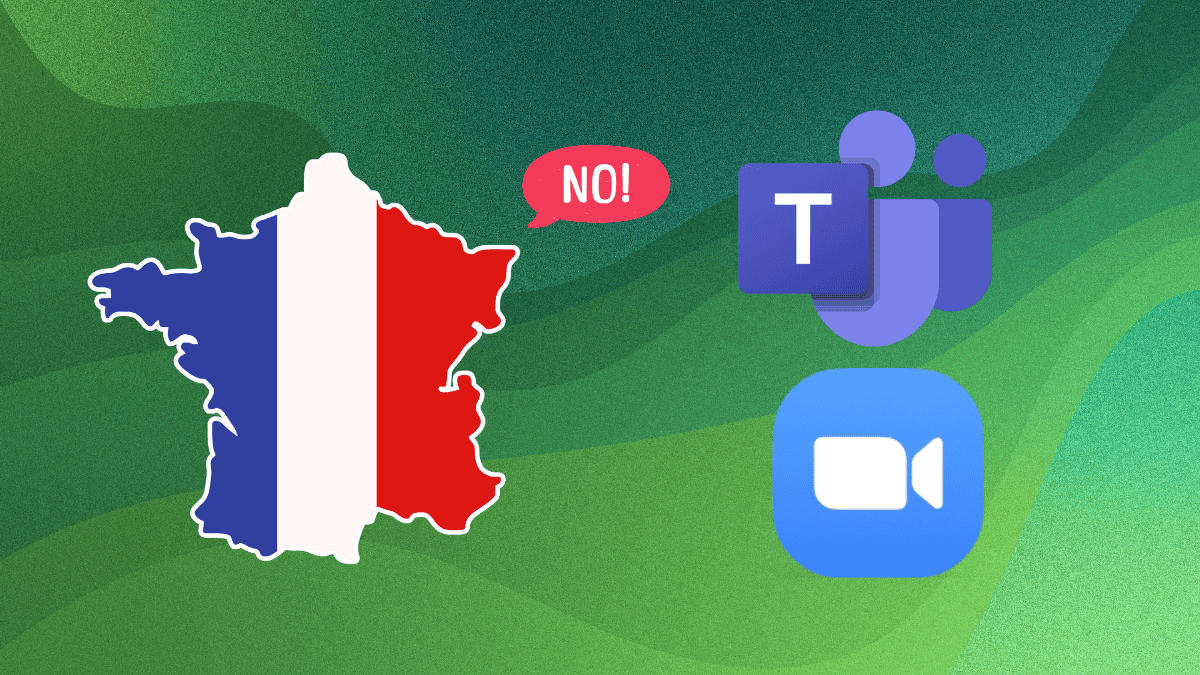
Context: The pandemic forced a global experiment nobody had planned. Offices emptied overnight, and something unexpected happened. People managed. Many thrived. The commute nobody missed, the open-plan office nobody pined for, the meetings that turned out to work fine as calls. When offices reopened, a significant number of people simply did not want to come back, at least not every day. The debate that followed framed this as a question of productivity, collaboration, or work-life balance. It missed the more uncomfortable signal. When given the choice, a large number of people revealed they prefer to work alone. That is not a statement about remote work. That is a statement about what going to the office actually felt like.
OST explains: In DP1, the bureaucratic structure, work is individualised by design. Tasks are broken into minimal parts, each assigned to one person, with coordination handled above. The office under DP1 is not a place of genuine collaboration; it is a place of proximity without connection. People sit near each other, manage their own tasks, protect their own position, and attend meetings where decisions have usually already been made. The six psychological requirements for productive work include mutual support and respect, and continual learning through real feedback from people you work with as peers. DP1 delivers neither. Of course, people prefer to stay home. Home is quieter, the coffee is better, and nobody is watching. In DP2, the group is the unit of work. Coordination, learning, and support all happen in the group, not above it. People in genuine DP2 structures report wanting to be with their colleagues because the group is where the work actually lives. The WFH debate is really a DP1 debate. The office stopped being worth the commute long before the pandemic. The pandemic just made it impossible to pretend otherwise.
#OpenSystemsTheory #SocioTechnical #OrgDesign #teams